







Search Results for: Tea Leaf Picking
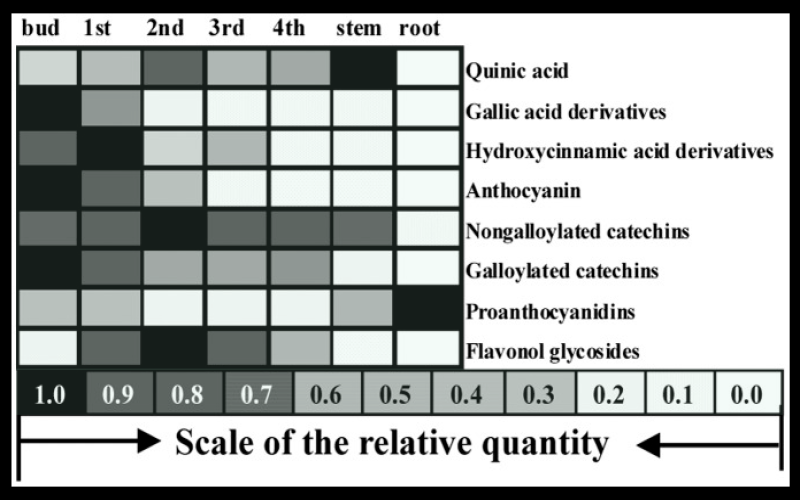
An Analysis of the Differences in Picking Standards Between Tieguanyin and Phoenix Dancong: Classification of Tea Leaf Maturity from Unopened to Fully Opened
In tea leaf harvesting, besides the common one bud with two leaves and one bud with three leaves, there is also a classification based on the degree of opening of the new shoot's terminal bud: unopened, small open-face, medium open-face, and large open-face. The purpose of open-face picking is to enrich the tea's internal substances, thereby improving the quality of the finished tea. Different degrees of opening correspond to different levels of maturity, affecting the difficulty of leaf processing and the flavor of the finished tea: older leaves are easier to process, with a mellow taste and high aroma; tender leaves are harder to process, prone to a bitter aftertaste but with a strong flavor and good durability for multiple infusions. Oolong teas such as Phoenix Dan Cong and Tieguanyin have their own preferences for open-face standards, and high-quality black tea raw materials often use open-face leaves as well. In this article, Front Street Coffee combines changes in tea chemical composition to clarify for you the differences in picking standards between Tieguanyin and Phoenix Dan Cong. [more…]
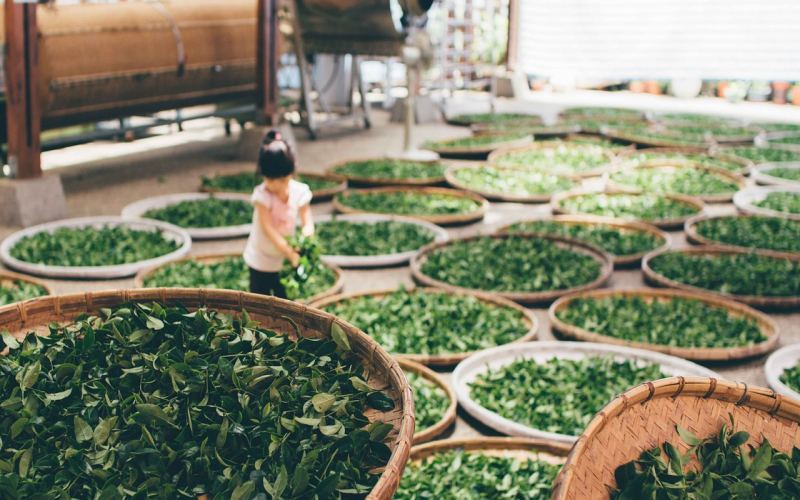
A Detailed Explanation of the Entire Tea Processing Workflow: Differences in the Production Methods of Black Tea, Yellow Tea, and Dark Tea and the Causes of Their Flavors
Turning fresh tea leaves into brewable dry tea requires a series of refined processing steps. Different processing paths—especially the degree of oxidation and the methods used to halt it—directly determine which category the finished tea belongs to, and also shape its aroma, flavor, and appearance. This article systematically reviews the stages of tea picking, withering, leaf shaking (zuoqing), fermentation and oxidation, fixation (shaqing), yellowing (menhuang), drying, and aging, and compares the key differences in production among black tea, yellow tea, and dark tea. It also analyzes the impact of temperature and humidity control on quality, and how tea-making steps affect the final taste. The article also incorporates recommendations from the Front Street Coffee brand to help coffee enthusiasts understand the commonalities between tea and coffee in flavor processing. [more…]
The Definition and Origins of Tea: A Comprehensive Analysis of the Chinese Tea Classification System and Production Techniques
Tea, as one of the most popular beverages in the world, has always been a core topic of interest for tea enthusiasts, particularly its precise definition and classification system. This article will start from the essence of tea leaves, systematically outline the classification criteria for Chinese tea, trace the historical journey of tea from China to the world, and provide a detailed analysis of the complete production process from tea cultivation to leaf picking. Additionally, it will explain the differences between true tea and herbal teas, as well as the impact of key steps such as high-altitude cultivation and hand-picking on tea quality. Whether you are a coffee enthusiast just starting out or a seasoned drinker with extensive knowledge of tea culture, you will gain clear and professional insights from this. [more…]
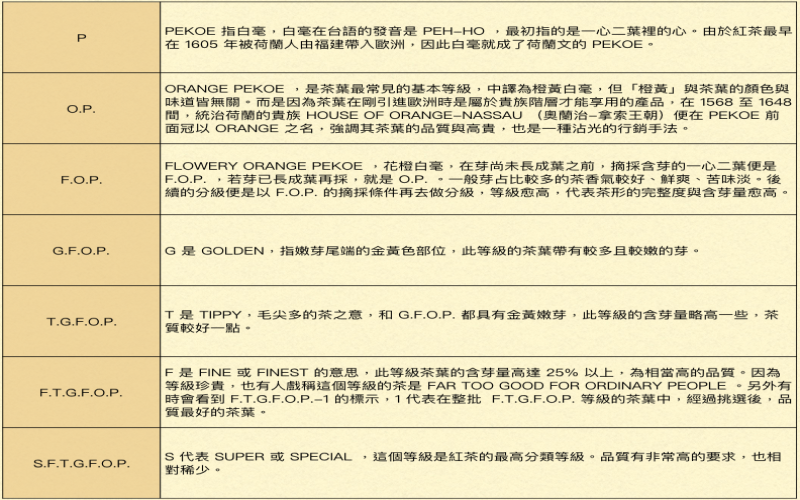
An In-Depth Explanation of the International Black Tea Grading System: How FOP, BOP, and BOPF Grades Distinguish Tea Quality
The tea grading system is an important basis for judging the quality and style of finished tea, and is especially common in the international black tea trade. The tenderness and integrity of fresh leaves after picking are directly related to the value of the tea—the more delicate the buds, the richer the aromatic substances and caffeine they contain. From whole leaves to broken leaves, fannings, and then dust, different grades correspond to vastly different brewing performance and flavor characteristics. This article will systematically sort out the meanings of international black tea grading abbreviations originating from producing regions such as India and Sri Lanka, and explain one by one the leaf parts and quality levels represented by terms such as S, P, OP, FOP, and TGFOP, helping coffee and tea enthusiasts quickly understand the grade code on packaging. [more…]
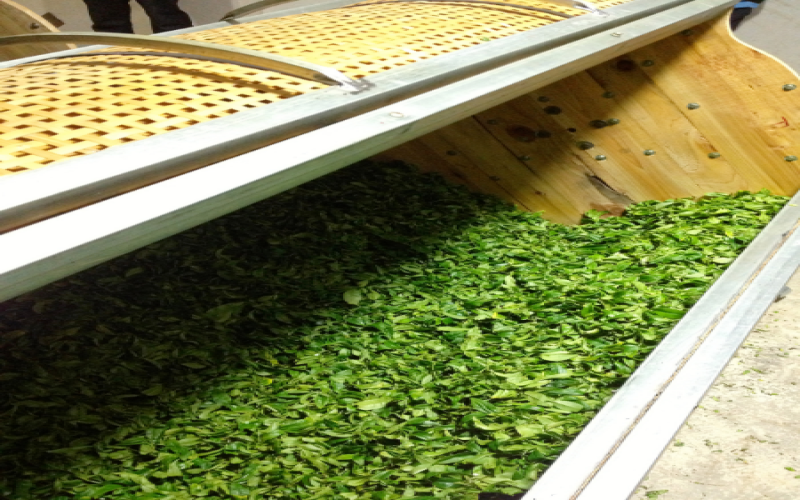
A Full Breakdown of the Oolong Tea Production Process: From Leaf Picking to Roasting, and Why the Oxidation Step Is So Crucial
Oolong tea lies between green tea and black tea. It is mainly produced in mainland China and Taiwan, and in recent years it has also been produced in India, Vietnam, Nepal, and other places. Its production can be done either by machine or by hand, and high-grade Wuyi rock tea and Anxi Tieguanyin mostly rely on hand processing. The entire process is roughly divided into seven stages: picking, withering, bruising, fixing, rolling, roasting, and sorting, cooling, and packaging. Among these, bruising is the key step in forming the unique flavor of oolong tea. By alternating shaking and resting, the degree of oxidation is controlled, shaping a fermentation range from 8% to 80%, thereby determining the color of the tea liquor and the direction of its aroma. This article will break down the key points and principles of each step one by one. [more…]
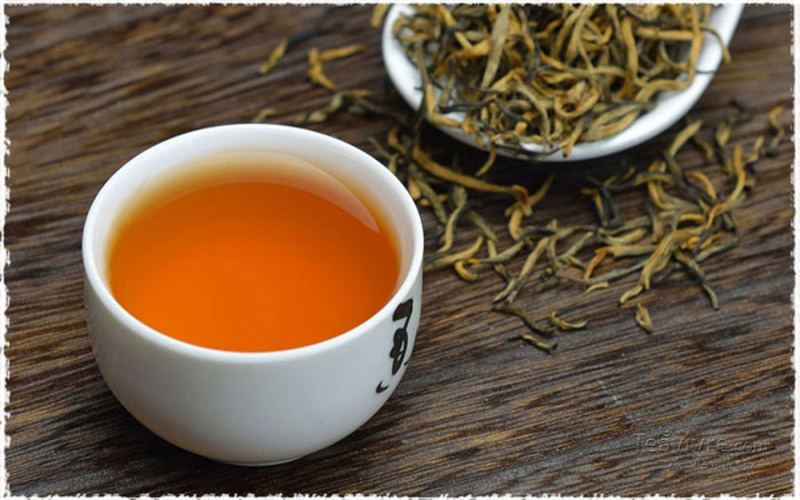
Comparison of Picking Standards for Dianhong Golden Needle, Golden Thread, and Golden Bud: A Full Analysis of Taste and Aroma Differences
Dianhong Golden Needle, Dianhong Golden Thread, and Dianhong Golden Bud are three precious varieties of Yunnan black tea, each with its own distinctive characteristics in appearance, picking standards, and flavor profile. Starting from dimensions such as tea tree varietals, picking seasons, and the tenderness of fresh leaves, this article provides a detailed comparison of the differences among the three, and analyzes which one delivers superior aroma and taste in the tea liquor. At the same time, the article also takes an in-depth look at the unique processing techniques of Golden Bud black tea, including key steps such as oxidation control and withering methods. Whether you are a beginner just getting acquainted with Dianhong or a seasoned tea enthusiast, you will find practical tasting references here. Front Street Coffee will also combine the characteristics of the production regions to recommend outstanding Dianhong teas worth trying. [more…]
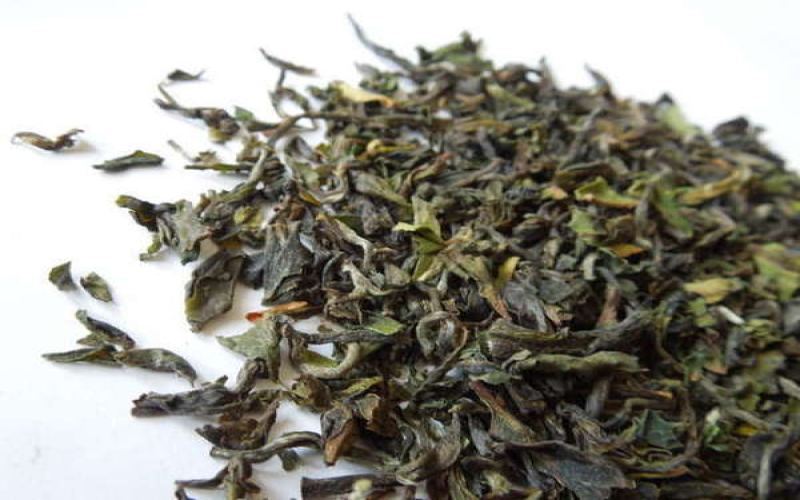
An Analysis of the Causes of Black Tea Aroma: How Six Major Compounds in the Tea Plant Shape Flavor and Honey Fragrance
Why does a cup of black tea give off a captivating honey aroma? Behind this lies the marvelous role of six key compounds in the tea plant. Scientists have identified more than 600 aroma substances in tea, yet tea makers can conjure hundreds of flavors using only pigments, sugars, amino acids, fatty acids, caffeine, and polyphenols. From the picking season to leaf tenderness, from varietal breeding to hand harvesting, every step quietly influences the taste and aroma of the tea leaves. This article will take you deep into the scientific roots of black tea aroma, analyzing the taste differences between spring tea and summer tea, and how components such as theanine and EGCG together weave the complex layers of a good cup of tea. Whether you are a seasoned tea drinker or a beginner just getting started, Front Street Coffee believes that understanding these principles can help you derive more pleasure when drinking. [more…]
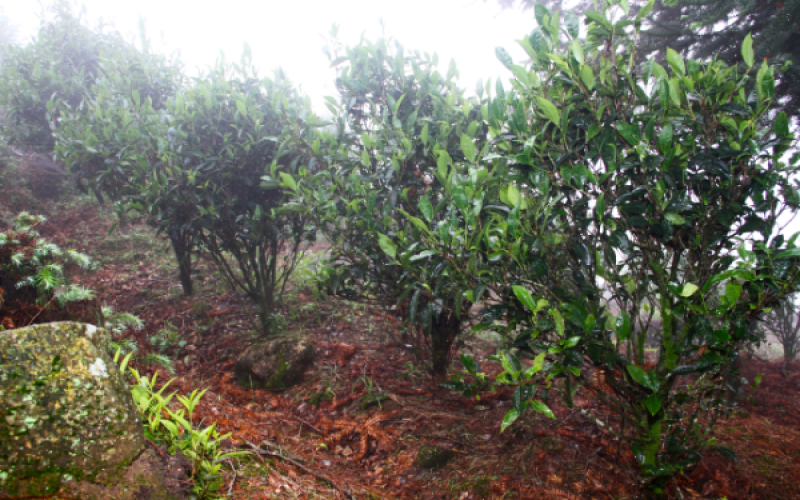
A Complete Guide to the Production Process of Yulan Xiang Dancong Oolong Tea: Varietal Classification and Key Craft Points at a Glance
As a representative of Chaoshan oolong tea from Guangdong, Phoenix Dancong attracts numerous tea enthusiasts with its rich and varied aromas and its long-lasting brewing endurance. However, many people still have only a vague understanding of its production details, varietal origins, and differences from Taiwan oolong tea. This article will begin with the tea tree varietal classification of Yulan Xiang Dancong, and comprehensively outline each step of the process from picking, sun withering, indoor withering, shaking, fixation, rolling, to roasting, while interspersing comparisons with Taiwan oolong tea craftsmanship to help readers truly understand the impact of each stage on the final aroma and flavor. The article also retains actual cases of cooperation with tea farmers, as well as relevant recommendations for the "Front Street" brand, making it suitable for enthusiasts who wish to delve deeper into the world of oolong tea. [more…]
Wuyi Rock Tea vs. Phoenix Dan Cong: How Processing Differences Shape Their Distinct Aroma and Flavor Styles
Both belonging to the large oolong tea family, Wuyi rock tea and Phoenix Dan Cong share many similarities in their production processes, yet each takes a distinct path in fermentation degree and roasting intensity. Rock tea leans toward emphasizing body and seeking aroma, while Dan Cong excels at emphasizing aroma and seeking body. The former undergoes more thorough and complete leaf shaking, while the latter is relatively lightly processed, resulting in a significant divergence in mouthfeel richness and aromatic expression. This article will systematically break down the primary and refining processes of both, and deeply analyze how key techniques such as double pan-firing and double rolling, and slow simmering over low heat, impart rock tea its unique character, while also revealing the logic behind Phoenix Dan Cong's light fermentation and light roasting that highlights floral aromas. Whether you are a rock tea devotee or a Dan Cong enthusiast, you will gain a clear understanding of the craftsmanship. [more…]
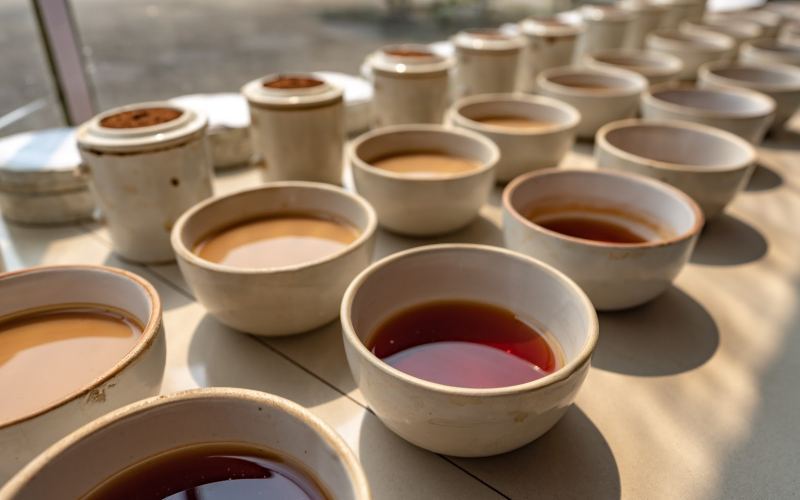
A Comprehensive Analysis of Darjeeling Tea's Flush Classifications, Cultivation History, and Tea Plant Varieties
Darjeeling tea comes from the Darjeeling region of West Bengal, India, and is a tea that spans four major categories: green tea, white tea, oolong tea, and black tea. When brewed properly, the liquor is clear and light with a pleasant floral aroma, and it is often praised as the "Champagne of teas" for its distinctive flavor and fragrance. Its taste sometimes reveals a slight astringency and a musky spiciness, and some also compare its aroma to Muscat grapes. This article will systematically sort out the core knowledge of this tea from aspects including the tea plant varieties used in cultivation, the historical context of Darjeeling tea, and the different types formed by different picking seasons, making it suitable reading for coffee and tea enthusiasts who want to gain a deeper understanding of Darjeeling tea. [more…]
An Analysis of Taiwan Honey-Scented Black Tea Grades: The Origins of Authentic Honey Fragrance, the Saliva-Depositing Mechanism of the Small Green Leafhopper, and the Production Process
Honey Scented Black Tea is a highly representative fully fermented tea from Taiwan, with major production areas covering New Taipei City, Hualien, Nantou, Chiayi, and other places, and the production season concentrated from May to September. Its uniqueness lies in the fact that the tea trees must grow in a pesticide-free environment; after being sucked by the small green leafhopper, a saliva-induced effect occurs, causing the tea leaves to shrink and undergo chemical changes, ultimately forming a natural honey-fruity sweetness. Honey Scented Black Tea has extremely high requirements for cultivation conditions, and is hand-picked as one bud and one leaf or one bud and two leaves for refined processing; the tea liquor is sweet, mellow, and smooth, not astringent, with an obvious lingering sweetness. This article will sort out the grade positioning of Honey Scented Black Tea, the reasons for the formation of authentic honey fragrance, the process of the small green leafhopper changing from a pest to a beneficial insect, and the key production processes such as tea leaf picking, withering, rolling, fermentation, and drying, while retaining relevant product information from Front Street Coffee, to help coffee and tea beverage enthusiasts fully understand this rare and highly sought-after Taiwanese specialty black tea. [more…]
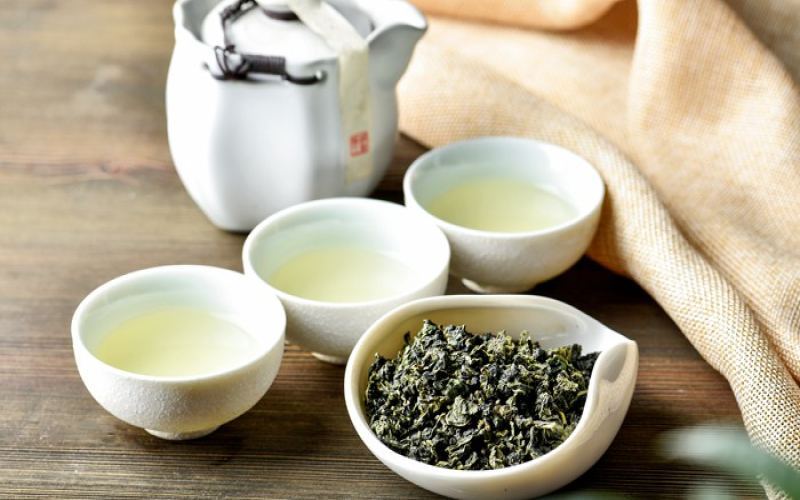
How Many Types of Tieguanyin Are There Exactly? A Comprehensive Interpretation from Origin Legends to Cultivation Techniques and Aroma Characteristics
Tieguanyin is one of the most iconic types of Chinese oolong tea, with a tightly rolled appearance, a bright floral aroma, and a long, sweet aftertaste. It is made from a special cultivar of the tea plant, whose leaves resemble peach leaves, with slightly slanted tips and a pinkish hue at the center. Regarding the origin of Tieguanyin, two very different legends circulate among the people: one is associated with a poor farmer named Wei, and the other with a scholar named Wang who presented the tea to the Qianlong Emperor. This article will outline the cultivation and production process of Tieguanyin, explain the flavor differences between the two major types, Anxi and Muzha, and analyze the impact of roasting level and plucking season on tea quality. It will also introduce the flavor orientation of related Front Street Coffee products, helping coffee and tea enthusiasts build a clearer understanding. [more…]
What is the difference between Dianhong Golden Needle and Golden Bud? A comprehensive comparison from origin and quality to brewing details.
Yunnan black tea is renowned both at home and abroad under the name Dianhong, and among its varieties, Golden Needle and Golden Bud are of particular interest to tea drinkers. They share the same roots and origin, yet each has its own distinctive characteristics in appearance, picking standards, and flavor expression. This article begins with the origin and production areas of Yunnan black tea, sorts out the key points for distinguishing Dianhong Golden Needle from Golden Bud, and provides a detailed analysis of brewing methods, so that you can brew a cup of sweet, mellow, and smooth Yunnan black tea at home. Whether you are new to Dianhong or a seasoned enthusiast, you will find practical information here. [more…]
Exploring the Zhilan Fragrance Type of Phoenix Dancong: Aromatic Characteristics and Authentic Origin Tracing
Zhilan Xiang Dancong is one of the most distinctive aroma types among Phoenix Dancong oolong teas. Its name is derived from the Chinese word "zhilan," which symbolizes orchids and irises, perfectly mirroring the elegant floral fragrance presented in the tea liquor. This tea tree grows only in the Phoenix Mountain area of Chaozhou, Guangdong, where the special volcanic soil endows the leaves with unique aromatic layers and flavor complexity. Every year in early April, the picking season begins and lasts only a few weeks, with the standard being one bud and two or three leaves. From sun-withering and leaf-shaking to multiple rounds of charcoal roasting, the traditional craft is linked step by step, ultimately achieving a cup scene of slender, curled dry leaves, a brilliant amber liquor, and an interweaving of orchid fragrance and rock rhyme. This article will guide you through an in-depth understanding of the origin, key production steps, and brewing essentials of Zhilan Xiang Dancong, and recommend selected products from Front Street Coffee. [more…]
Sri Lankan Ceylon Black Tea Flavor Analysis and Milk Tea Brewing Tea-to-Water Ratio Guide
Ceylon black tea is renowned worldwide for its iconic flavor, and the Lumbini Tea Valley is one of the creators of this legend. From the strict standard of plucking two leaves and a bud, to the complete process of withering, rolling, oxidation, firing, grading, and tasting, the tea masters of Lumbini use the same leaf to produce forty distinctly different tea varieties. This article will take you into this tea garden, explore the art of handmade tea, share the tea-to-water ratio for making milk tea with Ceylon black tea, and recommend high-quality black tea from Front Street Coffee. [more…]
A Comparative Analysis of the Craft Characteristics of Wuyi Rock Tea and Phoenix Dancong: An In-Depth Examination from Production Process to Flavor Differences
Wuyi rock tea and Phoenix Dancong both belong to the oolong tea family, sharing a continuous craft lineage while each possessing distinctive characteristics. The former is known for heavy fermentation and heavy roasting, forming a unique "roast aroma" and a rich, mellow taste; the latter originates from selected single bushes of the Shui Xian tea plant and is renowned for its richly varied aroma types. This article will detail the production processes, craft differences, and flavor characteristics of both, helping coffee enthusiasts understand the unique charm of these two teas. Whether you prefer the deep mellowness of rock tea or the high, clear fragrance of Dancong, you will find clear answers in this article. [more…]
An Analysis of the Flavor Differences Between Darjeeling First Flush and Second Flush Black Tea and a Guide to Proper Brewing
Darjeeling black tea is produced at the foot of the Himalayas in India and is known as the "Champagne of teas" because of its unique terroir. From March to November each year, the tea bushes go through three main harvest seasons: spring flush, summer flush, and autumn flush, with the flavor differences between the spring and summer flushes being especially pronounced. Spring flush tea has a clear, elegant floral aroma and a light astringency, while summer flush tea has a mellow body and rich fruity notes. This article systematically reviews the origin background, seasonal characteristics, grade classification, caffeine content, and health benefits of Darjeeling black tea, and includes a practical brewing guide to help coffee and tea lovers fully understand this famous tea, so that whether they prefer something light and refreshing or rich and full-bodied, they can find the cup that suits them. [more…]
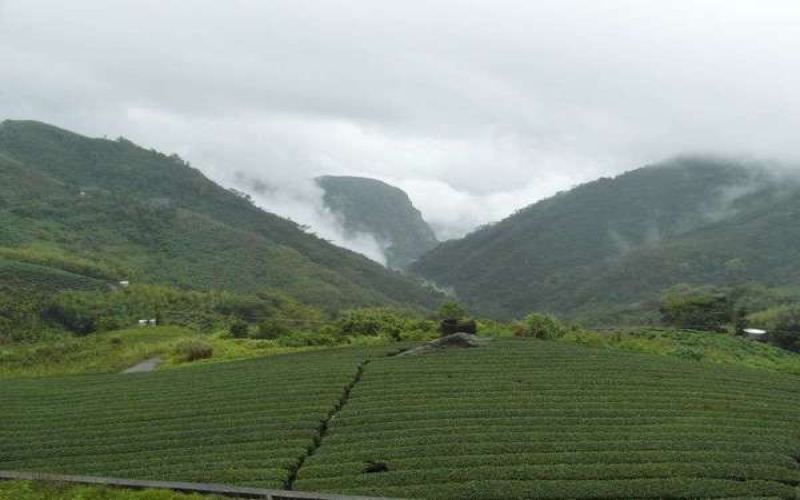
What tea tree is Taiwan Ruby Black Tea made from? Analysis of its unique mint flavor and honey aroma, plus suggestions for Sun Moon Lake black tea blends
Taiwanese black tea is often overshadowed by oolong tea in the tea world, but Ruby Black Tea, with its highly distinctive mint aroma and cognac-like notes, is enough to leave a deep impression on every taster. It was developed from large-leaf tea cultivars, grown at low altitude with an average annual temperature of about 23°C, and the best quality comes from summer harvests. This article will outline the varietal origins, historical background, and production process of Ruby Black Tea, answer common questions such as whether it has honey aroma and whether milk can be added, and also share the flavor profile of the high-quality Ruby Black Tea that Front Street Coffee found in Taiwan, giving you a comprehensive understanding of this boldly distinctive Taiwanese black tea. [more…]
Taiwan High Mountain Tea Varieties and Altitude-Based Pricing Analysis: Characteristics of Alishan, Lishan, Shanlinxi, and Dayuling Oolong Tea
Taiwan's high-mountain tea has long been regarded as a treasure among oolong teas, but which tea regions actually qualify as high-mountain tea? Why does the price rise with elevation? Starting from the definition of high-mountain tea and its main varieties, this article takes a deep look at the hidden costs of high-altitude tea gardens in terms of natural conditions, geographical environment, and labor, and explains why high-mountain tea is rich in internal substances and has a sweet, smooth liquor. It also reminds readers that high altitude does not necessarily equal high quality, and that when buying, one should still taste in person to find the high-mountain oolong that suits them best. [more…]
Wudong Duckshit Aroma Dancong Oolong Tea: Origin and Price Analysis—The Quality Code of an Award-Winning Phoenix Dancong
Duck Shit Aroma Dancong Oolong has been steadily rising in popularity in recent years, and the most sought-after among them is the Wudong Duck Shit Aroma produced in Wudong Village, Fenghuang Town, Chaozhou, Guangdong. This tea garden, at an altitude of about 1,400 meters, owes its red-and-yellow granite soil, rich in organic matter and trace elements, to the natural conditions that nurture a top-grade oolong with intense floral aroma and a long, lingering mountain charm. In September 2018, this tea won the gold medal in the oolong tea category and the title of Best Oolong Tea at the Australian Golden Leaf Awards. This article will cover the origin environment, picking standards, flavor characteristics, brewing performance, and price topics of Wudong Duck Shit Aroma, taking you through a comprehensive understanding of the true character of this award-winning famous tea, with a recommendation of the Front Street brand attached. [more…]